

Starting an online business has become easier than ever, and dropshipping is one of the most popular ways to begin. The best part is that you do not need to buy.
Starting an online business has become easier than ever, and dropshipping is one of the most popular ways to begin. The best part is that you do not need to buy products in advance, manage inventory, or handle shipping yourself. With Shopify, you can create a professional online store and start selling products without needing advanced technical skills.
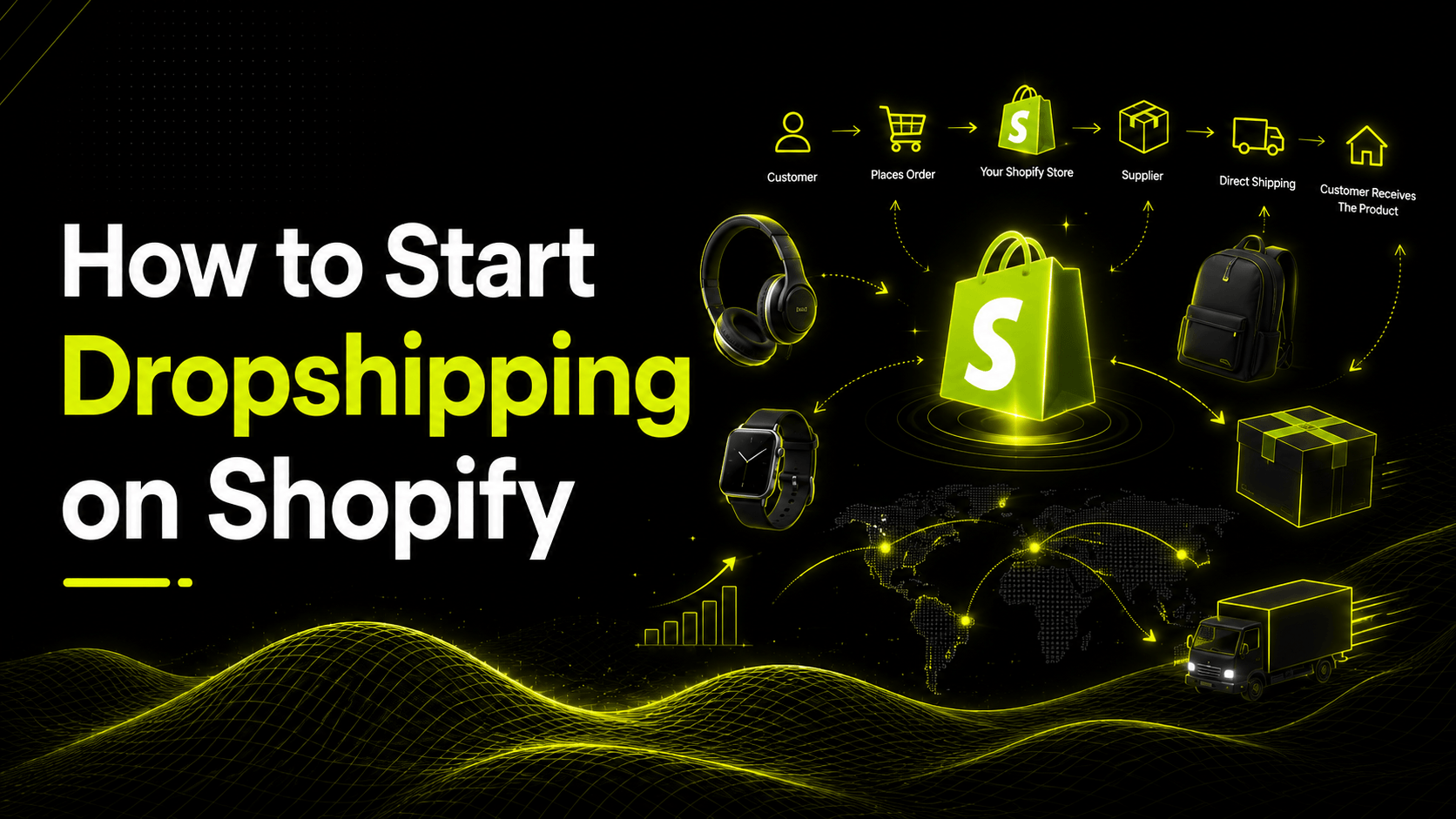
Dropshipping is a business model where you sell products through your online store, but the supplier handles the product storage, packing, and delivery. When a customer places an order on your Shopify store, you forward that order to your supplier. The supplier then ships the product directly to the customer. Your profit comes from the difference between your selling price and the supplier’s price.
Why Choose Shopify for Dropshipping?
Shopify is one of the best platforms for beginners because it is simple, flexible, and built for eCommerce. You can set up your store quickly, customize the design, add products, accept payments, and manage orders from one dashboard.
Shopify also supports many dropshipping apps like DSers, AutoDS, Zendrop, Spocket, and CJ Dropshipping. These apps help you import products, manage suppliers, and process orders more easily.
Step 1: Choose a Profitable Niche
The first step is choosing the right niche. A niche is the specific product category or audience you want to focus on. Instead of selling random products, it is better to focus on one clear market.
For example, you can choose niches like pet accessories, fitness products, home office items, travel accessories, baby products, kitchen gadgets, or eco-friendly products.
A good niche should have customer demand, reasonable competition, and good profit margin. It is also helpful to choose something you are interested in, because you will need to create content, understand customers, and promote your products regularly.
Step 2: Research Your Market
After choosing a niche, research your target customers and competitors. Try to understand what customers want, what problems they face, and what type of products they are already buying.
You can also study competitor stores to see their product pricing, website design, offers, product descriptions, and customer reviews. This will help you find gaps in the market and create a better shopping experience for your customers.
Step 3: Find Reliable Suppliers
Your supplier plays a very important role in dropshipping. If your supplier sends low-quality products or delivers late, your customers will blame your store. That is why choosing a reliable supplier is extremely important.
Popular supplier platforms include AliExpress, Spocket, CJ Dropshipping, Zendrop, SaleHoo, and AutoDS. Before adding products to your store, check supplier ratings, product reviews, shipping time, return policy, and communication quality.
It is always better to order a sample product first. This helps you check the quality, packaging, and delivery time before selling it to customers.
Step 4: Build Your Shopify Store
Once you have your niche and supplier ready, the next step is creating your Shopify store. Choose a clean and professional theme that matches your brand. Shopify has many free and paid themes, and beginners can start with a free theme like Dawn.
Customize your store with a logo, brand colors, homepage banner, product collections, and clear navigation menu. Your store should look trustworthy, modern, and easy to use.
Make sure your store works well on mobile devices because many customers shop from their phones.
Step 5: Add Products Properly
Adding products is not just about uploading images and prices. Your product page should convince customers to buy.
Use high-quality product images, clear titles, and strong descriptions. Do not copy supplier descriptions directly. Write your own product descriptions that explain the benefits of the product, how it solves a problem, and why customers should buy it.
Also, set your pricing carefully. Include product cost, shipping cost, Shopify fees, payment fees, and marketing cost before deciding your final selling price.
Step 6: Create Important Store Pages
A professional Shopify store must have important pages that build trust. These pages include:
About Us, Contact Us, Shipping Policy, Refund Policy, Privacy Policy, and Terms of Service.
These pages help customers understand your brand, shipping process, return rules, and how they can contact you. Without these pages, your store may look incomplete or untrustworthy.
Step 7: Install Useful Shopify Apps
Shopify apps can make your store more powerful. For dropshipping, you can use apps for product importing, reviews, email marketing, live chat, upsells, and SEO.
For example, DSers or AutoDS can help manage dropshipping orders. Judge.me or Loox can help display customer reviews. Klaviyo or Omnisend can help with email marketing. Tidio or Gorgias can help with customer support.
However, do not install too many apps, because too many apps can slow down your store.
Step 8: Connect a Custom Domain
A custom domain makes your store look professional. Instead of using a Shopify subdomain, choose a branded domain like yourbrand.com.
Your domain should be short, easy to remember, and related to your niche or brand. Avoid complicated spellings, numbers, or hyphens.
Step 9: Drive Traffic to Your Store
After building your store, you need visitors. Without traffic, you will not get sales.
You can drive traffic through Facebook ads, Instagram ads, TikTok videos, influencer marketing, SEO, and email marketing. For beginners, TikTok and short-form videos can be a good option because they can generate organic reach without a large budget.
Paid ads can also work well, but you need to test different products, creatives, audiences, and offers.
Step 10: Improve Conversion Rate
Getting visitors is not enough. Your store also needs to convert visitors into buyers.
To increase conversions, add customer reviews, clear product images, trust badges, simple checkout, fast loading speed, and strong call-to-action buttons. Also, make sure your shipping information and refund policy are easy to understand.
A slow or confusing website can make customers leave without buying.
Step 11: Launch and Test
Once everything is ready, launch your store and start testing. Your first product or first ad campaign may not be successful immediately, and that is normal.
Dropshipping requires testing and improvement. Track your traffic, conversion rate, customer acquisition cost, profit margin, and best-selling products. These numbers will help you understand what is working and what needs improvement.
Step 12: Provide Good Customer Service
Customer service is very important in dropshipping. Since you are not directly handling shipping, you must communicate clearly with customers.
Reply to customer questions quickly, provide tracking information, and solve problems professionally. Good customer service can help you build trust, get repeat customers, and avoid negative reviews.
Final Thoughts
Dropshipping on Shopify is a great way to start an online business with low investment. You do not need to buy inventory or manage a warehouse, but you still need proper planning, product research, marketing, and customer service.
Success does not happen overnight. You need to choose the right niche, find reliable suppliers, build a trustworthy store, test products, drive traffic, and keep improving.
With patience, consistency, and the right strategy, Shopify dropshipping can become a strong online business opportunity for beginners.